Frasier (Güenther), Niles (Zero), Martin (Duke), Roz, and Daphne turn 1 year old today, January 11th!
Frasier (Güenther) going into the backyard in his first snow!
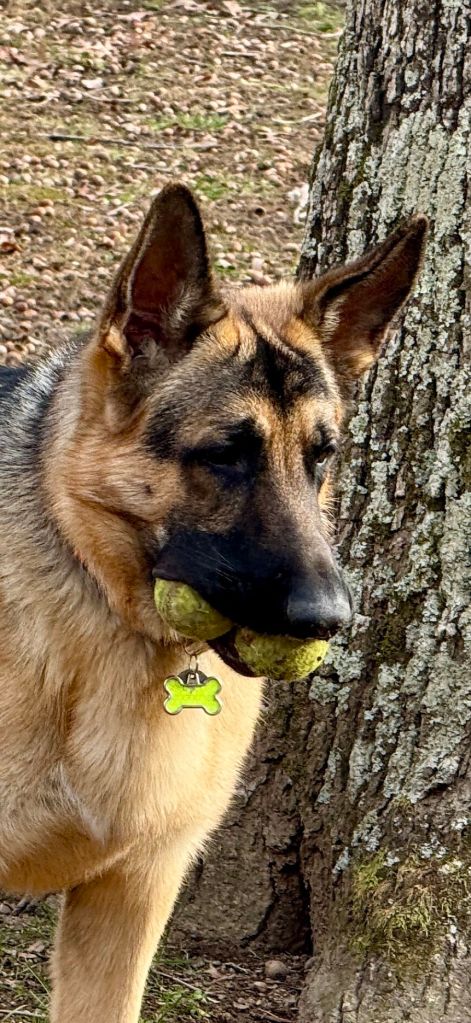
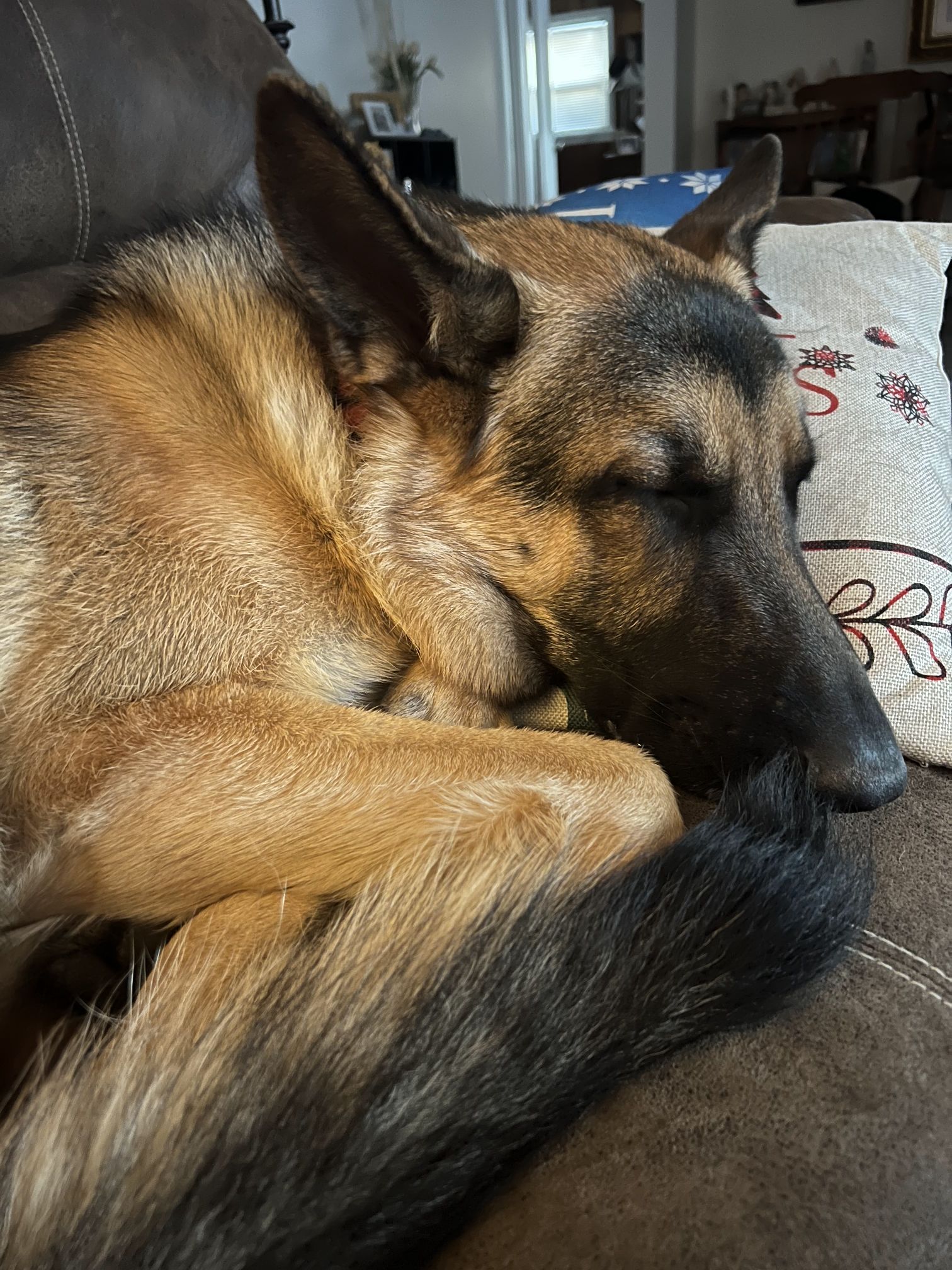
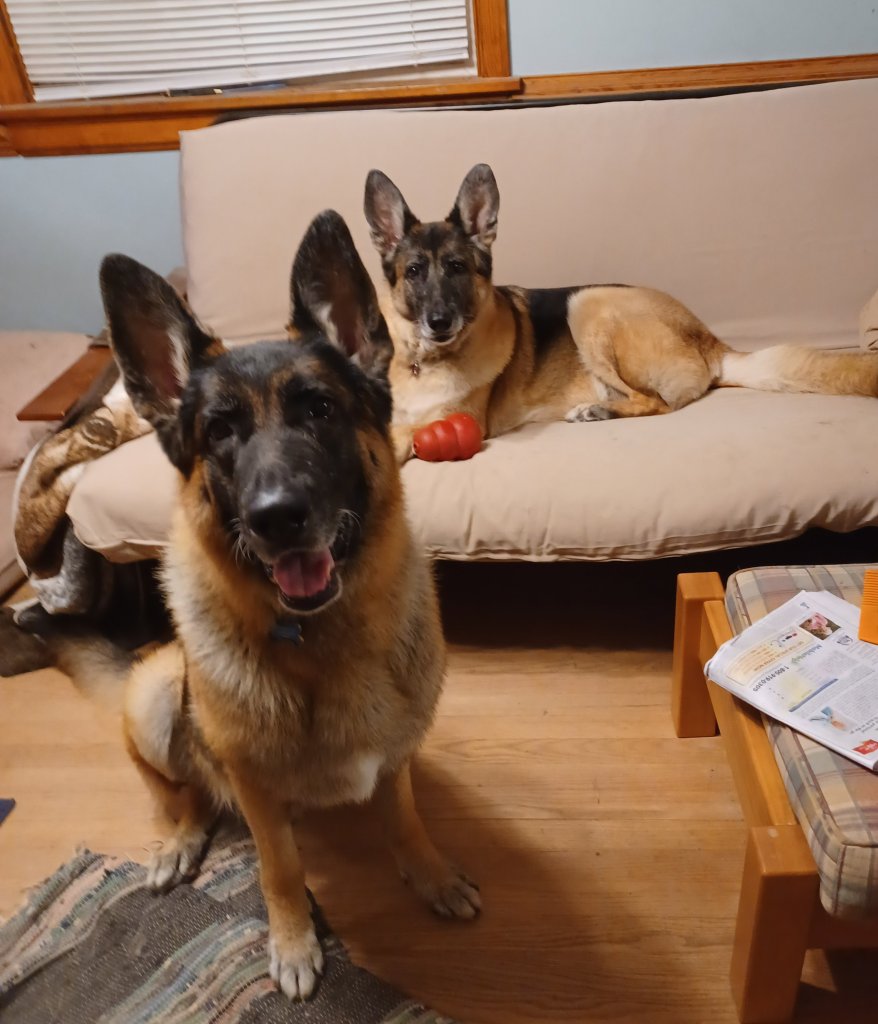
Niles (Zero) playing with his people in his first snow!Martin (Duke) with his housemate, an older akita/malamuteMartin (Duke) with I’m not sure how many tennis balls!Martin (Duke) with I’m not sure how many pet beds.Martin (Duke) snoozing on the couch. Martin (Duke) awake on the couch
Daphne and Roz are getting ready for a show in Maryland tomorrow. Hopefully, I will get some good pics at the show to post next. Here are a couple of after bath/grooming photos
Roz, after her bath and groomDaphne, after her bath and groom
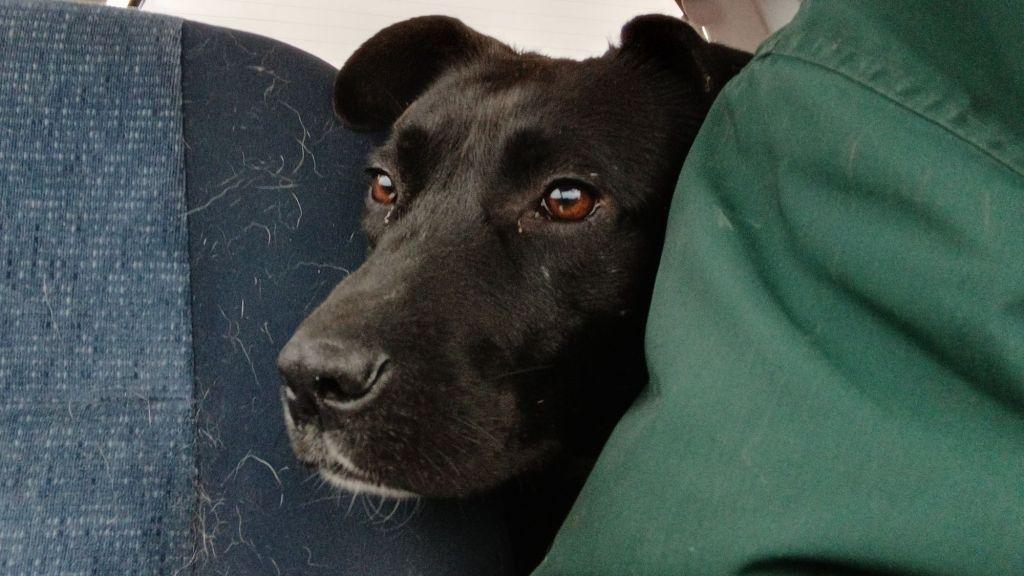
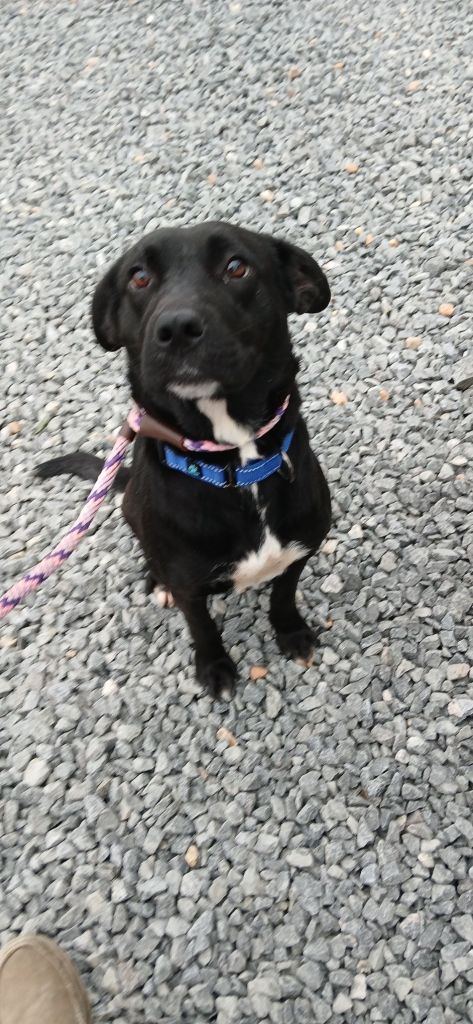
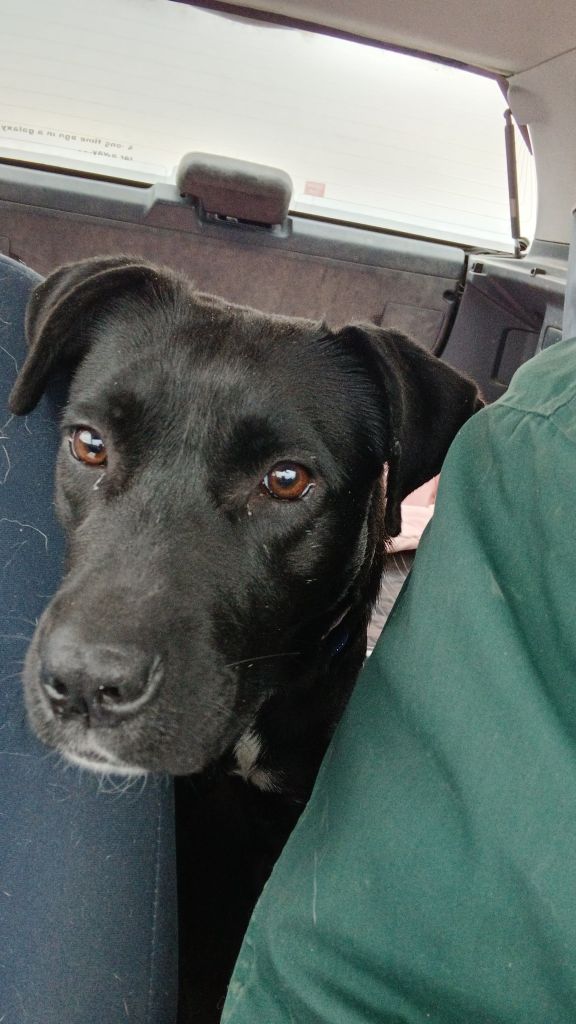
1/13/25 Update! This dog has found a good home with a family with children!
I had the pleasure of driving for the transport of a rescue dog today. Her name is Raven. She is at the Lifesavers rescue kennel in King George, Virginia. Contact info below.
Raven is a 9m old Lab mix. She is approximately 40 lbs and won’t get much bigger. She is easy to walk on lead, friendly, and quiet in the car. She loves people.
Contact info to adopt Raven:
Barbara Newburg 703-863-7191 benrusty555@yahoo.com
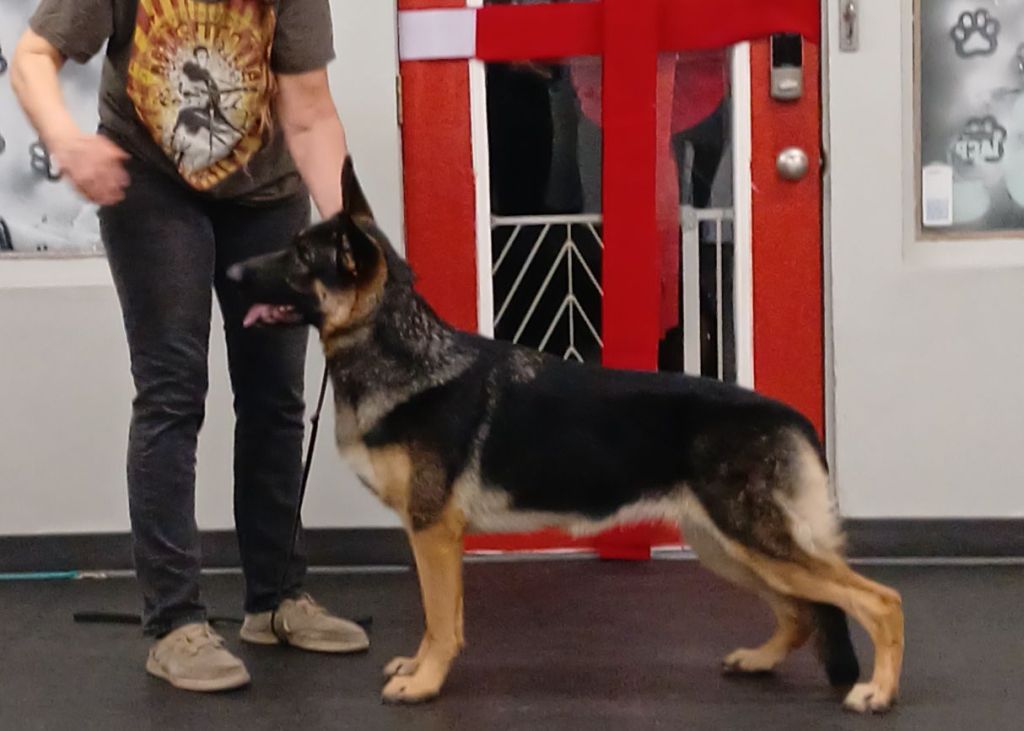
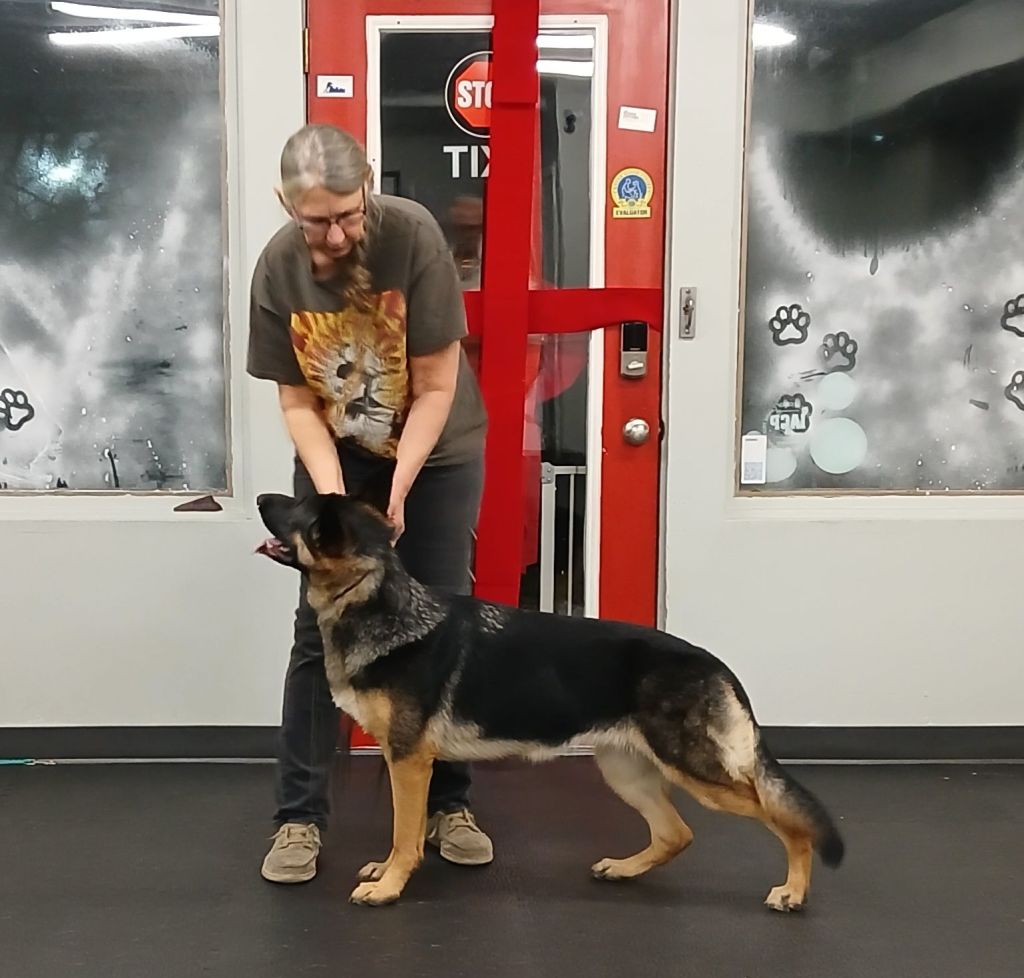
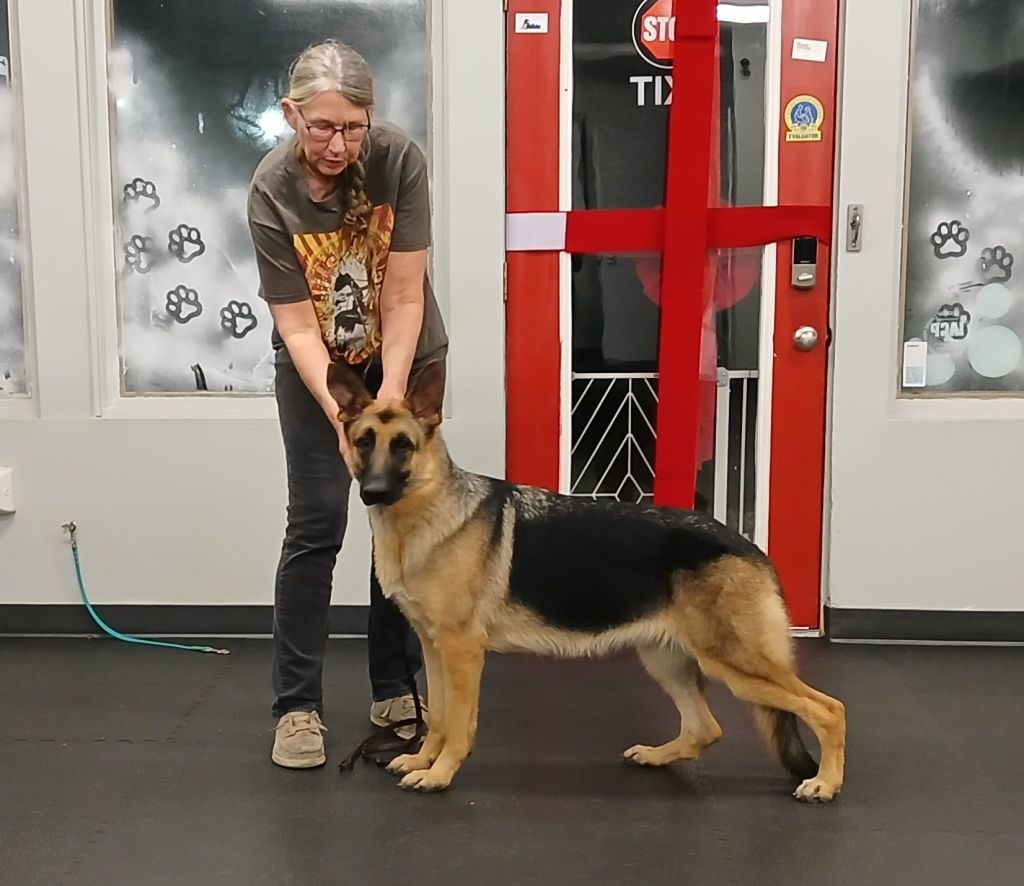
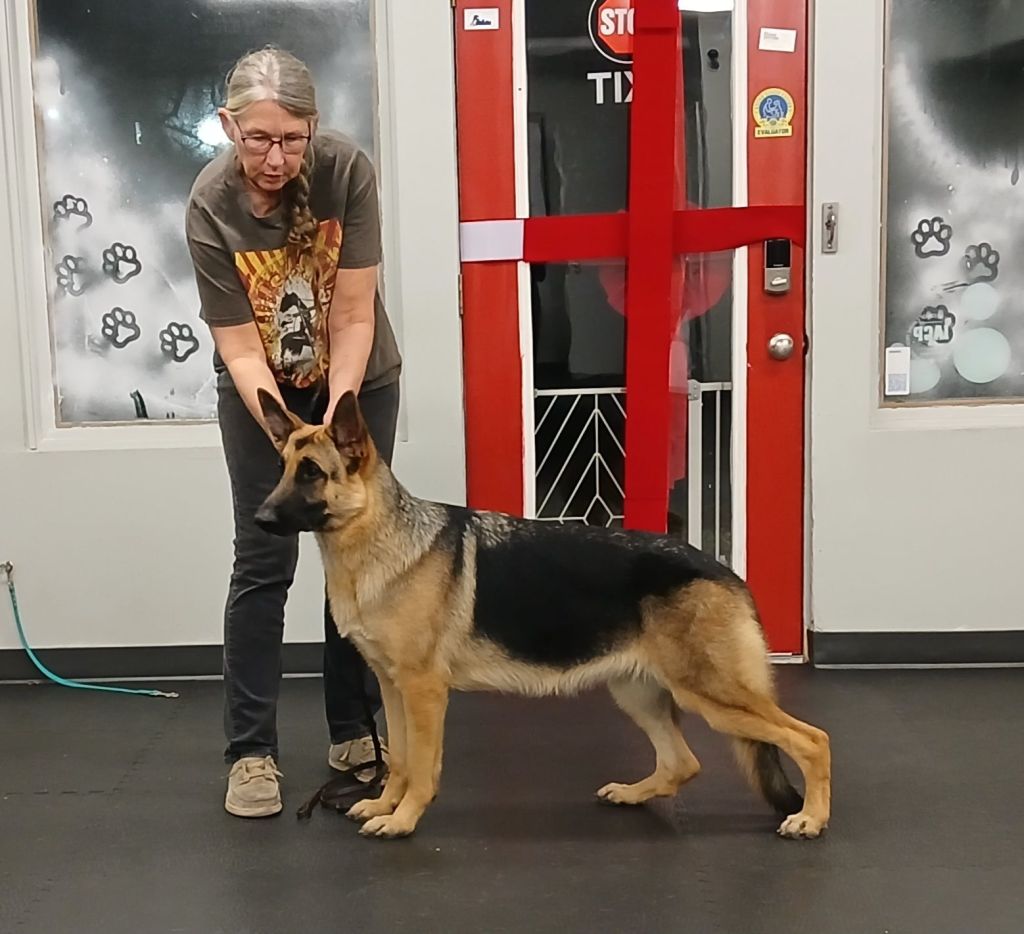
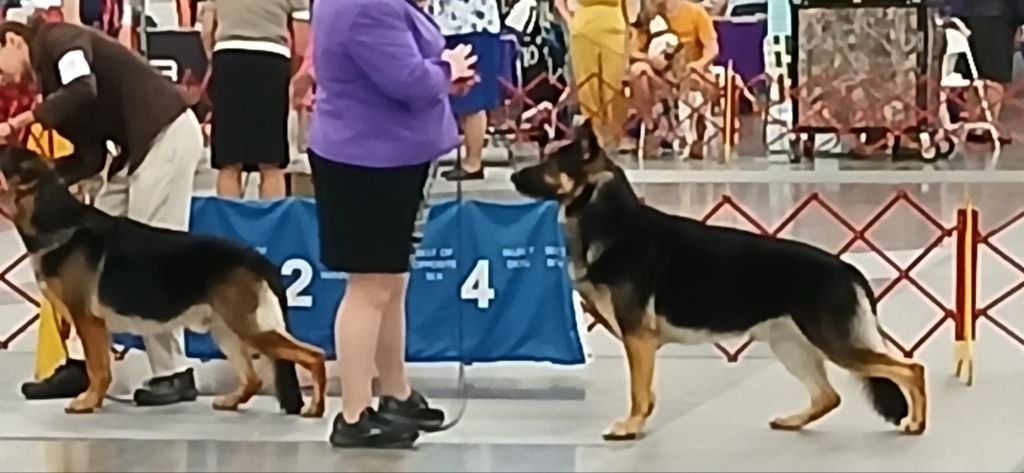
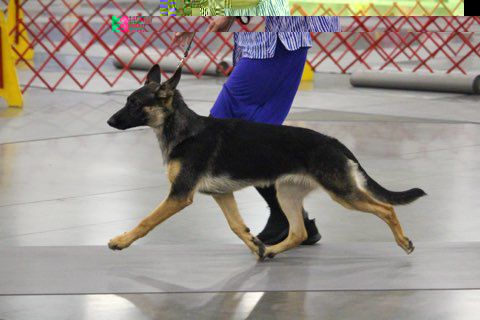
We went to Virginia Kennel Club handling class today, which happened to be Roz and Daphne’s 11 month birthday. Once they are grown, it will be nice to look back and see what stages they have gone through as they have matured. I’m not looking for perfection here, just practicing getting gone over by a “judge” to get ring-ready.
Roz
Daphne
Virginia Kennel Club handling class meets on Wednesdays at the Dog Lovers Obedience building at 1127 Gaskins Road, Richmond Virginia. Little dogs are from 6:15 to 7, and big dogs from 7:15 to 8pm. Cost is $10 per handler, and you can drop in; no need to sign up for multiple sessions. For more info: https://thevirginiakennelclub.com/
Special thanks to Tom Dowell who is the primary instructor for the class. He is a retired professional handler with multiple big wins including Best in Shows. He is great with all the dogs, and is especially understanding of inexperienced puppies and handlers.
More pics:
DaphneDaphneRozRoz
Thank you Grace Bakeman for shooting the videos and taking the pictures!
Videos are from beginning of recovery and one year post FCE.
Jane Morgan Out of Sight1 year post FCE
On Thanksgiving Day in 2023, my sweet baby Jane was fine in the morning before Thanksgiving preparations, and then after dinner, I found her completely down in the rear, unable to get up at all. A trip to the vet determined the likely diagnosis was FCE (fibrocartilaginous embolism). She had positive antibodies for Lyme disease, meaning she had at least been exposed. However, the vet did not believe Lyme was the cause of the rear paralysis due to the sudden onset.
I was sure I would have to put her down. Jane is over 90 lb, so because of my bad back, I could not lift her many times a day to help her outside. My friend Stan was at the vet with me as I tried to decide what to do. After talking to the vet, he said he’d stay with me and help. He said she had too much life left in her to not give her a chance. I remain eternally grateful to him for his help.
Here is what we did, which I believe allowed for her recovery:
The vet prescribed doxycycline to treat the Lyme disease, if she indeed had it. She also prescribed steroids just in case they might help. Generally, according to my vet, there is no treatment for FCE, just supportive care. She said some dogs recover partially or fully, and some dogs just don’t recover.
We did not do any scans or MRIs, just x-rays which showed a normal spine. X-rays cannot diagnose FCE. FCE was a diagnosis by default based on clinical signs.
At first, Jane could not move at all in her rear. She tried very little to get up because she knew she could not. I petted her a lot and just sat with her. I combed her because she likes to be groomed. After a couple of weeks, I noticed that her legs moved slightly, as if involuntarily, when I ran a comb or brush across them. If I trimmed her toenails, sometimes she slightly jerked them away, just like most dogs do. This gave me hope: she was getting a little bit of movement back, and she might recover.
In the first couple of weeks, she developed ulcerations on her hind legs. This was from where they pressed together as she was lying down all the time. She developed bloody sores on the tops of her hind feet from where she would drag them. We put straw all over the backyard where she went out to do her business so she did not drag her toes on rocks, despite our efforts to elevate her rear.
For many months, using a sling, Stan took Jane outside four times a day. For some strange reason, she retained bowel and bladder control. As she gradually regained strength, and was able to bear some weight on her hind legs, I was able to start taking her out. Eventually, she started moving her legs as if she were walking even though the sling supported her weight.
We tried to keep her hind feet completely off the ground at first. But as she started trying to use them, we tried to let them touch the ground so she could attempt to bear weight. If we held them up too high, she didn’t have a chance to use them, but at least the tops of her feet did not get bloody. But if we held them down too far, she dragged her feet and got the sores. So it was a very small window of holding the sling just right. Not easy with a heavy dog during a muddy winter. I don’t think Stan ever fell down in the mud, but I did.
We noticed right away that when she had to pee or poop she could separate her hind legs a little bit. So we would lower her to the ground and position her legs for her a bit so she could pee or poop while we held most of her weight with the sling. I really don’t know how she did it. There was a great amount of pressure on her pelvis from the sling, yet she still managed to control her bowel and bladder. And she never peed or pooped on herself or even stepped in it. I have no idea how she managed to do this. Gradually she was able to separate her legs more and more. For some reason, these muscles worked better than the muscles that moved her legs forward and back. Throughout all this she was completely cooperative and seemed to understand that we were trying to help her and that we were a team.
At first, I hand fed Jane. She could get her front up on her chest in a sternal position, but no more than that. Later, as she regained strength, she tried desperately to stand to eat by herself. At first, we supported her totally with the sling. Gradually, she was able to stand with less support. Many times, she would sway to the side and almost fall. And we would steady her to help her stand and finish her food.
Here she is, one of the first times she was able to remain standing to drink water:
We had to frequently place her feet correctly on the floor/ground as she would try to stand on the tops of her toes with them knuckled under as if she could not feel their position. Lifting up on the sling and setting her feet gently back down also allowed them to go into the correct position.
After about two and a half months, Jane plateaued and did not seem to be getting any better. I tried a product called Myos. It is a product that is supposed to build muscle in senior pets. (It is also used in some bodybuilding formulas for humans, under the name fortetropin.) The damage to Jane’s spine damaged her nerves, not her muscles directly. But her muscles did atrophy due to the nerve damage. I believe this product helped her regain some muscle. Her muscles are obviously not as strong as they used to be, but I do believe they are improved because of this product. I have kept her on it for almost the whole year. I tried to take her off of it for a while (because I wasn’t sure it was helping and it’s very expensive), but she regressed a bit, so I immediately put her back on it.
Here is a link to where to buy Myos Canine Muscle Formula:
Also, I think Jane responded to the love and care she got from me and Stan. And, she’s a very smart dog. She knew to cooperate with us and that we were trying to help her. I don’t know if she was aware of the fact that she was very slowly getting better, although sometimes it seemed like just my imagination! Many times, she seemed impatient to get back to her normal self. She always wanted to pick things up and carry them and play fetch, her favorite thing. So she certainly did not lose her zest for life at any point.
I kept her separate from my other dogs at first because I was afraid they would knock her over. Eventually I let her back in with her brother, Johnny, who lets her boss him around. He is the other dog you see in the videos. He is also 11 (Jane’s littermate).
I have steps in my backyard, and Jane was used to going up and down the steps. So naturally, she tried to do this again, but we didn’t let her. But because her front had gotten so strong to compensate from her weak rear, she was able to go up the steps way before she could go down the steps. She still has trouble going down the steps, and as recently as a few weeks ago, I saw her twist to the side and go down onto her hip on the last step. So, I still discourage her from using the steps to go down. But she does a great job going up the steps, as you can see in the videos. I do not allow her to have access to the full flight of steps inside that goes to my upper floor. I am terrified that she would just fall all the way down the steps.
Enjoy the videos. It makes me cry to see how far she has come.
Jane going down steps,carrying a stick
Jane playing with Johnny
Jane coming up the steps with her baseball
I hope this post helps someone decide to give their dog the chance to recover. It’s a lot of hard work, but so rewarding. I think if the tables had been turned, Jane would have done the same for me.
I am giving thanks this Thanksgiving Day for my sweet baby Jane.
Jane is the granddam of my most recent litter of puppies that includes Daphne and Roz. Johnny is Jane’s litter brother.
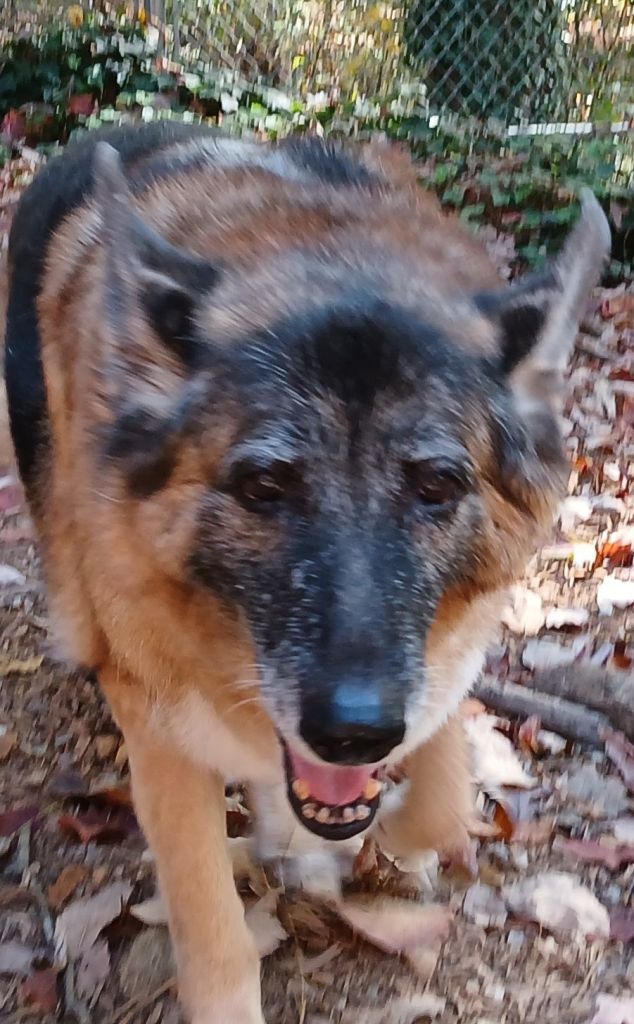
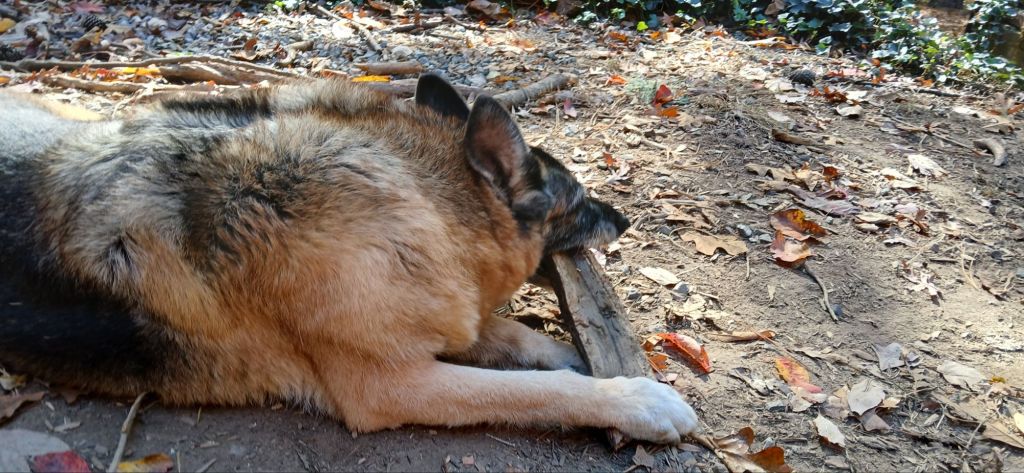
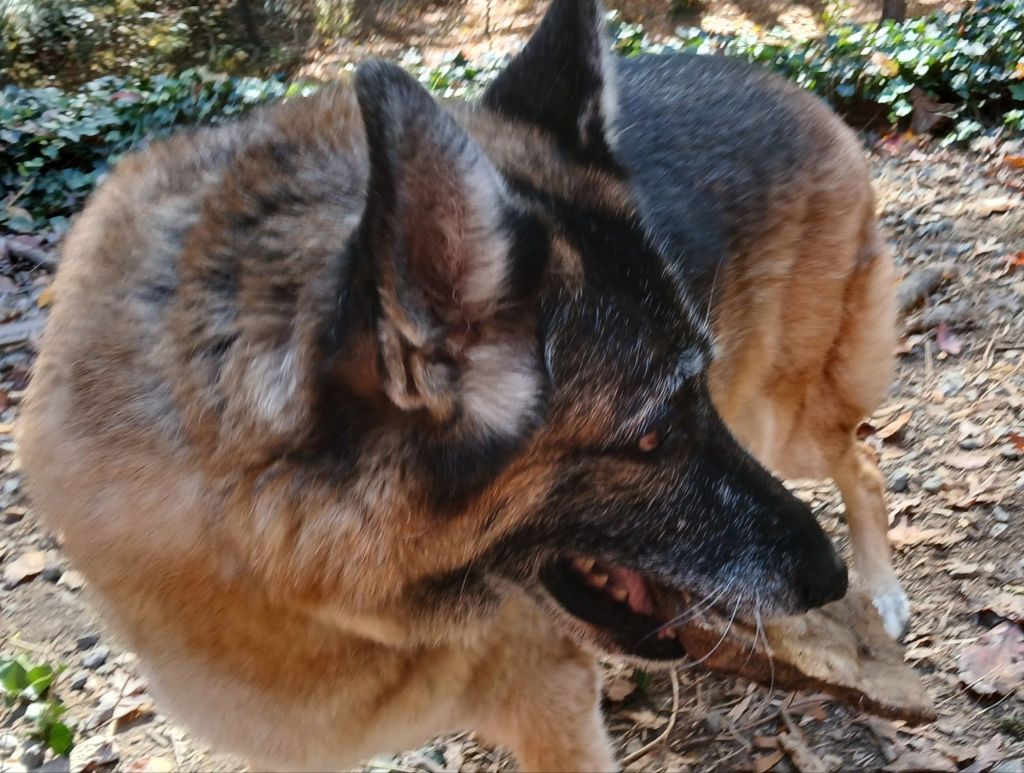
Ch John G. Morgan Out of Sight, CD, age 11Johnny, my beautiful handsome boyJohnny thinks I want the ball in my mouth!Jane Morgan Out of Sight, age 11Jane chewing on a stickJane always has to carry something around
Jane had fibrocartilaginous embolism last year, which resulted in total paralysis of her rear legs. With lots of supportive care, she has made a very slow but steady recovery. When it has been a year, which will be Thanksgiving Day, I will post videos of her ability to walk and still play fetch in a functional but not completely normal way.
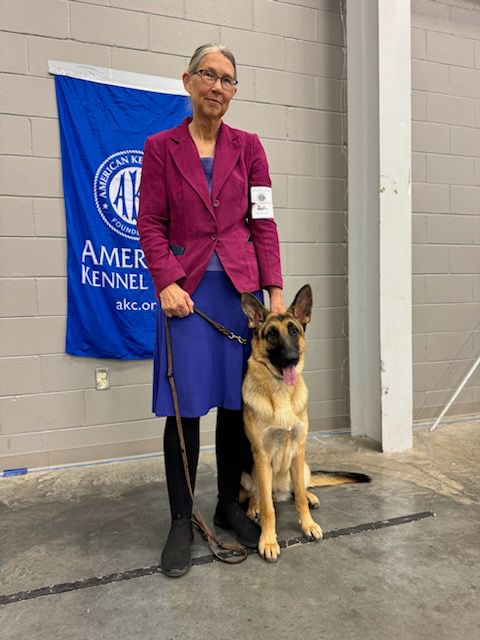
This weekend was a two-day show weekend. Saturday was no good for us, as we did not win anything, although Daphne did get Reserve. But today, Roz won! She got Winners Bitch, beating the bitch who won yesterday! I about fell over from shock and excitement! It was her second show and her very first point towards a championship title.
Here are a couple of pics that Vera Symonds, Roz’s sire’s (Luc’s) owner, took at the show. I’ll get pro pics later.
Me and RozRoz Doyle Out of Sight at 9 months
Oh yeah, Luc got best of Opposite! He’s a handsome boy, maturing beautifully, and got lots of attention today.
Here is Luc at a previous show
There are dog shows next weekend also. I will try to get good current pictures of Luc. Wish me, See See, Roz, and Daphne good luck!
How exactly can intact German Shepherd dogs be managed? This post will cover managing one or more intact dogs, with a focus specifically on German Shepherds.
See See and Clyde, littermates
Much information can be found on the internet about managing dogs that are intact, and you’ll find debates about whether you should spay or neuter. When searching, keep in mind that German Shepherds are large, strong dogs, and some bloodlines of German Shepherds are more aggressive than others. German Shepherds are definitely more territorial than some other breeds, such as the hound breeds, which were bred to run in packs of both genders. Be mindful of this when comparing ideas of how to manage dogs or whether or not to spay or neuter.
In this post, you’ll find specific examples of how I personally manage my own German Shepherds.
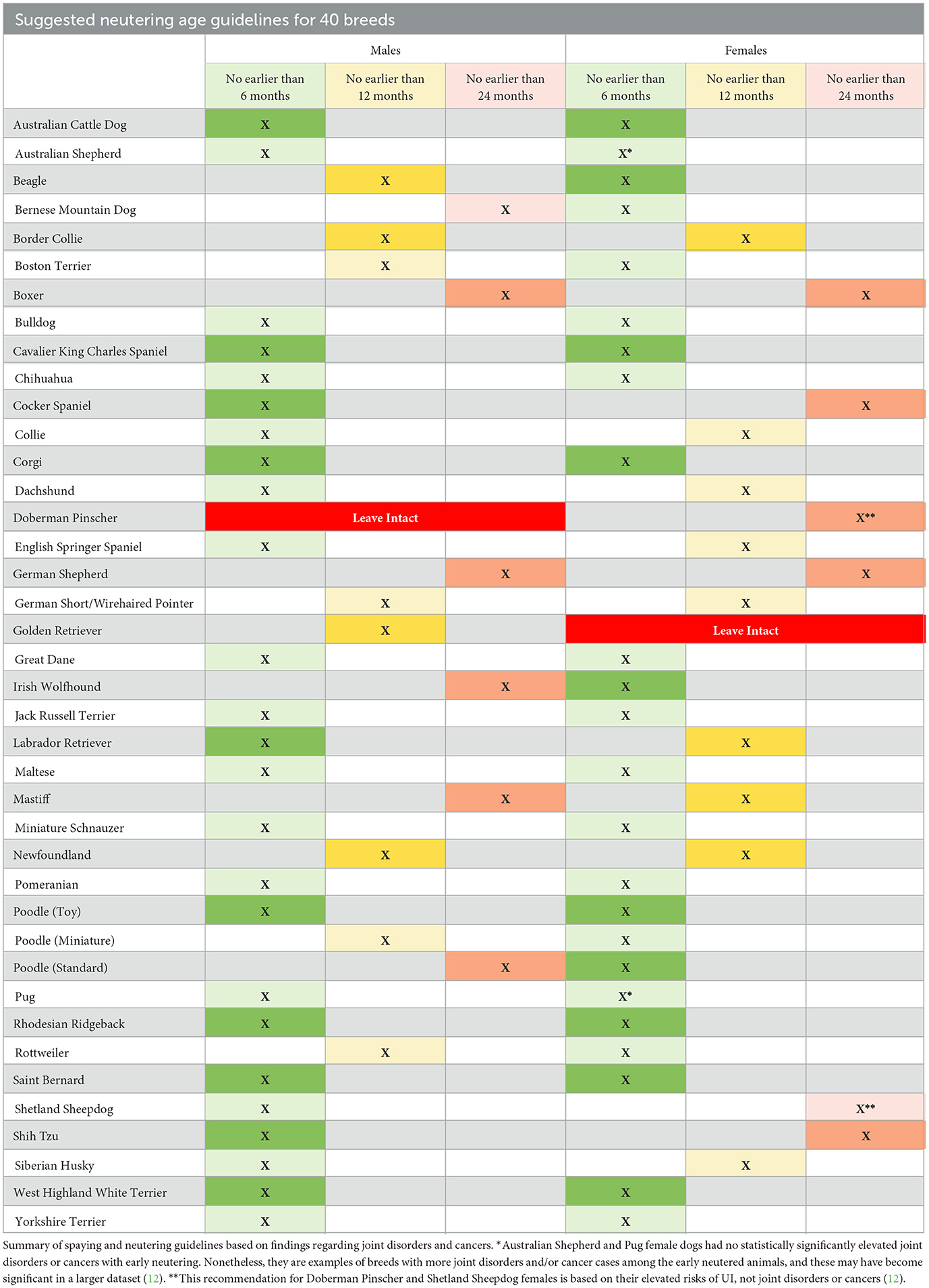
First of all, I am referencing again this important study about why you should wait until after 2 years of age to spay or neuter your German shepherd:
Because of this scientific evidence, I encourage my very well selected and responsible pet puppy buyers to spay or neuter their dogs after age 2.
Here are my opinions about spaying and neutering and information on how I manage my own intact GSDs when I am not planning to breed:
I have a two story house with a walkout basement. All my dogs live inside my house. I have no kennel runs or outdoor buildings for dogs. I am able to keep any female in heat upstairs away from the males downstairs. The female in heat goes into a separate smaller side yard to do her business so it doesn’t drive the males as crazy. The males can smell her, but she has zero physical contact and does not enter any space the males use for the entire 28 days she is in season.
I then thoroughly bathe the female to remove any traces of scent on her before she is released back in with the males. If there is any indication that the males still find her attractive, I remove her for another week, and she gets another bath. During the heat cycle, to protect my hardwood floors and area rugs upstairs, I put cardboard down (I save boxes) so that the blood doesn’t get everywhere. The female will sleep in a crate by my bed so she doesn’t feel isolated.
I have three intact male adult dogs. Two of them get along well enough that I can leave them outdoors to run and relieve themselves together. I do not put them in small spaces together where they could posture or fight over toys. The male who is 3 years old (Clyde) was raised with the male who is 5 years old (Winston). Even though Clyde is now fully mature and larger than Winston, Winston maintains his Alpha status. Both males regularly go out with a 3 year old intact female, See See. She is separated from them when she goes into heat, and I have no intention of breeding her to either of them because both are her brothers.
In this video, you can see them come inside from the yard, tails wagging. Adult intact male German Shepherds do not often get along this well, so I’m not suggesting that this behavior is typical.
Winston enters first, then Clyde, then See See
My oldest male dog, Johnny, is kept with his littermate sister, Jane, who is spayed. He adores her! He does not like any other males. I am very careful to keep him away from the other two. Even though he is on the same floor as the other males, there are always two doors separating them.
Johnny and Jane will be 11 on October 30th
Of course, not everyone has such a great setup. The main thing is to keep in-heat-females and their urine as far away as possible from the males so the males don’t go crazy and become destructive. Obviously, there should be no physical contact at all, even if restrained on leash, because this would be very frustrating for both the male and female. The instinct to breed at the peak of the female’s ovulation cycle is extremely strong for both the female and male. And yes, I have heard stories of dogs mating through chain link fencing. For this reason, I do not have any shared fence lines.
Females from my bloodline usually come into their first season around 7 to 10 months of age. Remember that the female will shed out about 3 to 6 weeks before she goes into heat. As I write this, See See has started a shed cycle, so she will be out of coat for the dog show later this month (not a good thing), and I will be watching for signs that she has started her heat cycle.
In this video, you can see loose hair on See See’s flanks, but Clyde’s coat looks great. She and Clyde are kept together, eat the same food, and, as littermates, are exactly the same age with the same genetics. The shed cycle is not based on weather in females. It is hormone based.
Clyde and See See after a round of fetchy ball
When I know my females are ready to come in season, I use a tissue and wipe just to check for blood every day. Tip: Write down the date that blood is first observed! This is important when determining how long to keep a female away from other dogs and also to predict when she will have her next cycle, usually about 6 months later.
When I see blood, females are moved away from the males for at least 28 days. Occasionally, a female will have a split heat. This means she’ll start bleeding for a few days and then stop for a week or so, and then start bleeding again. This extends the heat cycle.
It’s important to be very observant so that you don’t miscalculate the cycle and allow your female to be around an intact male dog when she is still fertile.
This next part is very important:
The cycle is not over when the bleeding stops. The blood will turn to a lighter amber colored fluid. This is when the female is at her PEAK of attractiveness and fertility. Some dogs will lick themselves a lot and not have much fluid to check. Even after the fluid stops, she will still be attractive and possibly fertile for another couple of weeks.
Also, females can have what is called a silent heat. This is when there are no overt signs of a heat cycle, but she is still attractive to males and fertile. So even if you don’t see any signs of a typical heat cycle, if males are going crazy over her, by all means, keep her separate. They will know better than you do because they can smell things that we cannot.She could also have an infection which is causing a discharge. If you are not sure, take her to a vet for an exam.
If you have a pet female German Shepherd that you got as a puppy, you will probably have to go through the routine of keeping her away from other dogs through three heat cycles before you get her spayed at age 2. By that time, managing her contact with other dogs and keeping your house clean without isolating her can seem difficult.
If you have a male intact dog around female dogs who are in heat, you will notice he goes completely bonkers. (That’s a technical term!) He will forget his obedience commands, he will lunge, he will chew things up, scratch at doorways incessantly, stop eating, and maybe even hump things.
The best way to control this extra energy is to make him tired. Play fetch, go running, go swimming, turn him out with another dog that can tire him out. This will reduce his anxiety, and he will sleep and eat better. Once a male German Shepherd is neutered after 2 years old, his fascination with females in heat will almost certainly stop, and this is a big relief to most pet owners.
Another thing to consider with a male is that he may know of a female in heat nearby because he can smell her, and you don’t even know she exists. So, if your male dog is acting crazy, this might be the reason.
Do you have to neuter a pet GSD at age 2? Here are some of my thoughts based on experience with my German Shepherds.
Female considerations: Pros and Cons
Spaying female dogs removes the possibility of pyometra, a life-threatening infection of the uterus. Continually having cycles without breeding increases the likelihood of pyometra.
Spaying female dogs reduces the likelihood of cancerous mammary tumors as the female ages.
Spaying female dogs eliminates the possibility of an unwanted litter of puppies. Let’s say you’ve done a great job managing your female dog, but what if something happens and you are not available to manage the situation (such as you are sick or on vacation)? If your dog is bred and has puppies that are unplanned, this can be a disaster. It’s very hard to place puppies when you are not an established breeder. It’s doubly hard to make sure the homes are good.
Spaying female German Shepherds earlier than 2 years of age increases the likelihood of bladder incontinence later in life.
Spaying female German Shepherds earlier than 2 years of age increases the likelihood of hip dysplasia and other bone development problems.
Spaying female dogs is a surgical risk. It is major abdominal surgery using a general anesthetic, although most dogs recover very quickly.
Female dogs must remain intact in order to be shown in AKC conformation shows.
Male considerations: Pros and Cons
Neutering male dogs almost always eliminates the frustration they feel when they are not allowed to breed.
This varies from dog to dog. Only you know how frustrated your dog is acting, but only he knows why he is frustrated. He could be frustrated from being cooped up all day, not being around his favorite person, missing a favorite dog companion, wanting to chase a squirrel, inconsistent/poor training techniques, or lack of exercise.
High frustration levels due to a nearby female in heat and the urge to breed are evidenced by incessant whining, frequent mounting behaviors, marking with urine in the house, and even spontaneous ejaculations on the living room floor. (No, that’s not a leak from the ceiling.) Also, your dog may seemingly having his mind on other things when you are trying to train, or even just go for a walk, such as when he is overly smelling where a female has urinated and bracing and refusing to go along.
Additionally, many male dogs are not motivated by treats, praise, or toys when they have their mind on a nearby female in heat. It seems impossible to use positive reinforcement when the only rewarding thing they want is the female.
Neutering male dogs removes the possibility of testicular cancer.
Neutering male dogs reduces the likelihood of prostatitis.
Neutering male dogs eliminates the possibility of siring an unwanted litter of puppies. Even though the puppies might belong to someone else who owns the female, it’s your responsibility as the owner of the male to ensure that you are not allowing this to happen. Also, remember that you are not infallible. If you are sick or on vacation, someone else may not be as responsible with your intact male as you are.
Neutering male dogs earlier than 2 years of age increases the likelihood of hip dysplasia and other bone development problems.
Neutering male dogs is a surgical risk and requires a general anesthetic, although most dogs recover very quickly.
Male dogs must remain intact in order to be shown in AKC conformation shows.
You might have noticed that I have not addressed neutering as a way to control aggression in male dogs. Traditionally, this has been recommended by veterinarians as the first step in reducing territorial or inter-male aggression. Recent studies have shown that this may not be the case. Here is a link to a study that describes the inconsistencies for recommendations for neutering to reduce aggression:
I hope this post helps someone make a more informed decision about determining whether to obtain a puppy, or which gender to acquire, or to make an informed decision about spaying and neutering. And, I hope I have provided some useful ideas on managing intact dogs in a household.
Here are my two 9 month old females, who have not had their first heat yet:
Roz and Daphne, who have no idea they will soon drive the boys crazy
You can rest assured that if you have a Shepherd Sight puppy, everything has been done to prevent these genetic bone development conditions. (Any good breeder should be doing this same type of testing!) However, this is not an absolute guarantee of bone health. Even under the best of circumstances with the utmost care, sometimes these bone problems do crop up. That’s because German Shepherd bone development can also be affected by diet, exercise, environment, and hormones.
Diet was addressed in my last post.
Exercise and Environment:
Running is good! Muscles have to be developed in order to support good bone structure. Ligaments and tendons are strengthened with exercise. Many young German Shepherds will have what’s called “loose ligamentation.” This means they look “wobbly,” especially in the rear end. Their pasterns might be down a bit. They look kind of loosey-goosey! This almost always tightens up as they mature. But without good exercise, a puppy can develop poor articulation in joints that lead to problems as they age. Running on uneven surfaces is especially good because puppies learn to adapt and change their balance as they move.
Daphne and Roz at Vera’s place where they got to play outsidewith other puppies
However, if a puppy is too heavy, extra weight is hard on growth plates at joints, which can get damaged. A heavy puppy running down the stairs can really hurt front leg joints, particularly pasterns and elbows, despite precautions ethical breeders take to avoid genetic joint problems.
But even a puppy that is normal or lean weight can cause damage to bone development if they are consistently jumping down or running down steep or long flights of stairs. Limit this activity while still exposing your puppy to different surfaces and environments for best socialization.
The surface your puppy spends the most time on can very much affect his body structure and bone development. If your dog spends most of his time on a slick floor, his feet will start to splay out, and his pasterns will not be strong. Your puppy should spend time on different types of surfaces, especially grass and dirt.
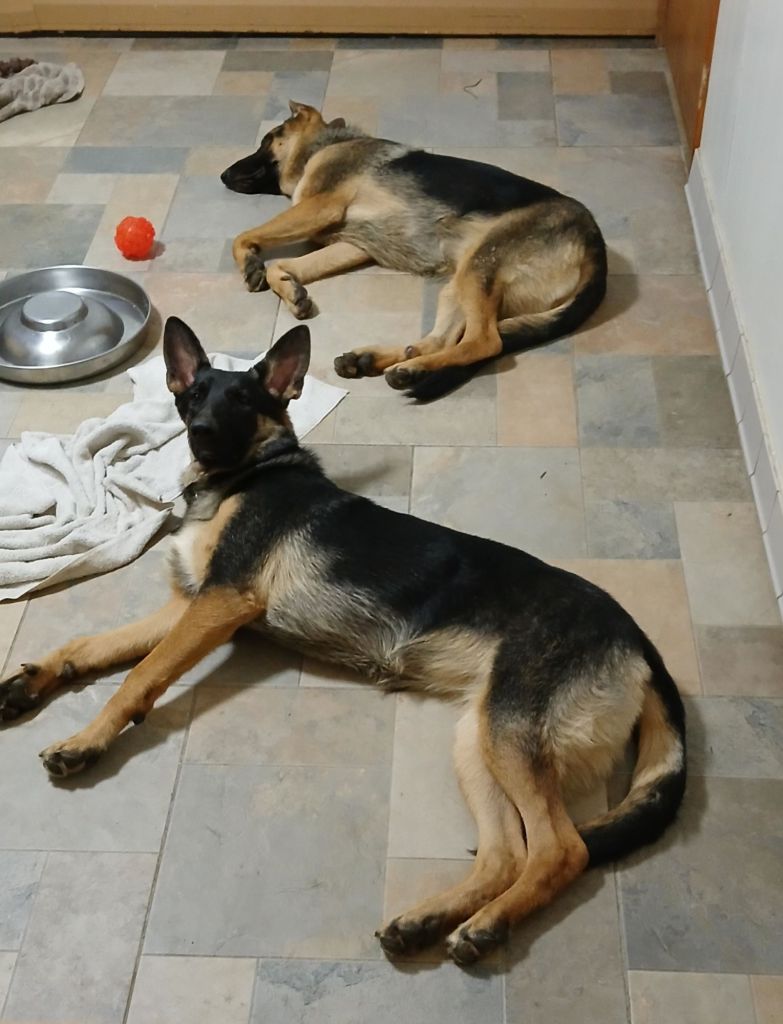
Daphne and Roz in the puppy room. The floor is textured but easy to clean.
Also, keep those toenails trimmed! If nails get too long, they push the toe in an upward arch, causing the puppy to rock back to keep from putting too much pressure on the toes. This causes lots of pain for older arthritic dogs, but don’t overlook how this can affect the development of the joints in the lower legs in puppies.
What if your German Shepherd puppy starts limping?
Panosteitis is a condition that affects the long bones of fast growing breeds, especially German Shepherds. It affects some bloodlines more than others, and males more than females, because they are usually bigger. It is a common cause of lameness, usually starting in a front leg and then shifting to other legs.
Obviously, panosteitis is not the only thing that can cause limping. And you want to be sure to take any limping dog to the vet to determine a diagnosis. But don’t be alarmed if this is the cause. The article does list other potential diagnoses.
Pano doesn’t cause long-term effects, but it is a condition that occurs during bone development.
Johnny and Jane both had Pano. Johnny had it much worse than Jane.Jane is the Grandma of my current litter.Wally, Johnny and Jane’s sire, also had Pano. Wally is my current litter’s great-grand-sire.
Lordy, what else affects bone development?
Hormones: Recent studies show that bone development of German Shepherds, in particular, is affected by hormones. Here is a link to the UC Davis study that determined that German Shepherds are the only breed that is recommended to remain intact until the age of two, in both genders: https://www.ucdavis.edu/health/news/when-should-you-neuter-or-spay-your-dog
If you have a GSD puppy and your vet recommends early neutering, ask why. Some vets lump all large breeds into one category and say 18 months, and some say 6 months for all dogs to prevent any likelihood of reproduction, while still others say to wait until a female has her first heat before spaying, which usually happens around 7 to 10 months in GSDs.
Vets have good reason not to trust pet owners when it comes to keeping opposite sex dogs apart. They have way too much experience with unwanted litters, strays, and euthanized pets because they are just too much trouble to keep.
Please let your vet know that you would like to keep your German Shepherd dog intact due to the reasons listed in the UC Davis study, IF you are a responsible dog owner who can carefully isolate females in heat, fully understand the duration of the cycle and the initial signs and when she is no longer fertile, and restrict intact males from finding females during this time.
My next post will be about managing intact male and female dogs.
7m old Roz and Daphne after an afternoon of playing outsideat my friend Patricia’s house
How often to feed? I recommend feeding four times a day until 4 months of age, then three times a day until 6 months. Beginning at 6 months, they should be fed twice a day for the rest of their lives. Why is this so important? Infant puppies nurse many times a day. And then when puppies are weaned, they need to eat multiple times a day, gradually reducing the number of times. But why always feed twice a day after 6 months? Lots of dogs eat once a day and they are fine. But German Shepherds are different! Do not feed a German Shepherd once a day because this will increase the likelihood of developing bloat and torsion, a condition common to deep chested breeds. Also, always moisten your German Shepherd’s food. Plain dry food is a predisposing factor for bloat. And feed your dog on the floor, not from an elevated platform. Here is a really good link that explains the dangers of bloat and torsion, and it describes treatments and prevention. Please take the time to read this. If you know the early warning signs of bloat, you can save your dog’s life.
Howmuch to feed: Depending on brand and quality of food, most GSDs tend to eat 3-5 cups of kibble a day from 2-4 months, gradually increasing to 6 or 7 cups a day when they are around 4-6 months old. Then, around 6 months of age, appetite decreases noticeably, and you can stop the midday feeding, decreasing the amount by one feeding. They will tell you. They’ll just gradually not need that midday feeding and turn up their noses. My two 7m old females are now eating about 4 cups a day each. Males eat more because they grow more. You might think that because puppies are larger at 6 months than they were at 4 months, they would eat more. But because their growth slows down so much, they need less fuel.
It’s a mistake to make food more and more palatable to encourage appetite. Then, your puppy might overeat and get too heavy for his current bone structure. Unless there is some disease or parasite, puppies and dogs from my bloodline will eat the amount they need, and not overeat, although neutering/spaying can decrease caloric need, and you may need to limit food.
How much weight should your young dog carry? It is completely normal for an adolescent German Shepherd to appear very lean, even thin. Do make sure a thin puppy is parasite free by taking in stool samples regularly to the vet. Oral prevention does not prevent ALL parasites, only the most common ones, and they are not 100% effective. If your puppy is parasite free, has a good appetite, firm stools, and is active, don’t worry about them being very lean! They will put on weight later.
It is better for their bone structure to have less weight at this stage. German Shepherds take longer than most breeds to fully develop their bones and joints. The more weight they carry, the more likely they are to have problems. Good breeders make sure the dogs they breed do not have genetic bone and joint problems. But you must do your part to make sure your puppy is raised with the proper nutrition and stays at a good weight for his frame.
Whyon earth would I feed a grain-free food? It’s a long story: Johnny was a really difficult dog to get weight on and keep healthy. From the age of about 6 months to nearly 3 years of age I broke all the rules trying to get weight on him and stop the diarrhea: feeding him by hand, coaxing him to eat, changing foods to find something he liked. And I followed the rules: I wormed him, put him on probiotics, checked his stool many times, increased fiber, decreased fiber, treated him for giardia several times even though his test was negative, and he still had frequent diarrhea (sonetimes with mucous), occasional vomiting, and he would not gain weight. In fact, he lost weight after 6 months of age. He was terribly skinny and just turned away from food. The probiotics were the only thing that seemed to help a little bit. I tried many different types.
What finally worked for Johnny? Everywhere I looked, the “fad” of feeding a grain free food was discouraged. No veterinarians recommended it. I finally tried it anyway! Lo and behold, along with the probiotics, he started eating. Knowing about the dangers of eating a grain-free diet, I added oats, which is a gluten-free grain. This helped even more. (Maybe the added bulk/fiber?) To balance the diet, I added meat. It didn’t matter what kind. He eats cooked beef, chicken, turkey, venison, fish, whatever. I just make sure there is fat with it. I make a soupy mixture so the grain-free kibble is moistened. He has kept the weight on, and no more diarrhea or vomiting, ever since! This took well over 2 years for me to figure out. I then showed him to his championship and got an obedience title on him, and he is still robust to this day. He will be 11 in October.
Johnny, age 7, at his last Conformation show
Why do I continue to feed grain-free? Because I had such a difficult time getting Johnny straightened out, I decided I would not feed any food with grain, just on the off chance he would accidently get some. And, as the Appalachian saying goes, “If it ain’t broke, don’t fix it.”
What exactly do I feed? All of my dogs are fed a combination of grain-free food (I use Tractor Supply’s brand: 4 Health), adding oatmeal and meat. To make it simple, I pour hot water over oats (old-fashioned type) and meat and let it sit for a few minutes before feeding. This can be made in batches or fresh each time. I buy leg quarters of chicken, and I stock up on Turkey after Thanksgiving and Christmas when it is on sale. I buy pork roasts and ground beef when it is on sale. But most of all, I am happy to take (free!) venison from my hunter friends. They save me the heart and liver and whatever meat is left over after processing. This is cooked thoroughly and frozen for future use. I also boil bones for bone broth. My puppies love it.
If you read the information at the link about grain-free foods, you can see why this diet makes sense.
Do I supplement? Yes. I use a product with enzymes, probiotics, vitamins, and minerals. Specifically, I use Fido-vite Sportzdog made by Doctor’s Choice Supplements. Their website is: http://drschoicesupplements.com, and you can use my code SIGHT for a 10% discount. It is the only product I recommend on my website, because it really works. It helps with digestion and adds to coat quality to give that showy shine. There’s an extra sheen and plushness to their coat that is essential to be competitive, while also supporting overall health, including bone development. It also helps by making food easier to digest because of the extra enzymes in it. Therefore, there is less poop to pick up because the stools are smaller and firmer. I give this product to all of my dogs and recommend my puppy buyers keep them on it.
Bottom line: Your German Shepherds will tell you what they need and how much. I’m not suggesting you feed your dog like I feed Johnny. It’s just an example of how your dogs can tell you what they need. Listen to them. Check for parasites, and follow the rules to prevent bloat/torsion.
What are some considerations once a German Shepherd reaches 6 months?
I’ve been a German Shepherd breeder since 2001. Some issues tend to come up more often in German Shepherds. The next few posts will cover temperament and training, eating and diet, factors that affect bone development, and managing intact (not spayed or neutered) dogs, and ears. This post is intended for everyone with GSDs, but particularly recent and future buyers of Shepherd Sight puppies.
Temperament: Not all GSD puppies are socialized well. What does it take to raise a puppy that will become a well-rounded adult? Shepherd Sight puppies are very well socialized, beginning in the whelping box. They are petted and loved by many people from all different walks of life. This encourages them to accept all people and be friendly towards them unless they have a reason not to be. They are exposed to many different smells and sounds like vacuum cleaners and cleaning products. As they get older they are taken to many pet friendly establishments such as pet stores and Home Depot. This allows them to see, hear, and smell many things they would not encounter in a home environment, and they learn to accept situations that are unusual. But socialization does not end when puppies leave the breeder. My puppy buyers are encouraged to continue socializing their puppies as much as possible. This is essential for German Shepherd puppies. Here are a few pictures of Roz, Duke, and Daphne at 7 months with my neighbor and her black Lab:
When GSD puppies are not given the kind of socialization they need, they sometimes show fear, or a lack of confidence. Also, despite good socialization, around 7 to 9 months of age some puppies go through a “fear period.” Care must be taken to make sure that fear does not become the norm.
Here are some suggestions to work through fearfulness in puppies and end up with a confident dog: Make sure that the puppy is given a chance to explore whatever he is startled by and is encouraged to approach and investigate. Do not comfort your puppy in such a way that he will interpret your behavior as praise for a fear reaction. Instead, praise behavior that indicates your puppy is overcoming his fear, such as approaching the thing that startled him and investigating it. Lots of praise for sniffing the thing!
Also, take note of what startles your puppy and approach it from a distance, praising him when he has noticed it but not shown fear. Instead of walking your puppy directly towards some scary thing, walk parallel to it with yourself between the thing and your puppy, showing your puppy that you, the leader of the pack, are not afraid.
Another tactic is to tell your puppy to do something he knows how to do, such as “sit.” This gives him some control over the situation, and he knows what behavior is expected. You can praise him for obeying and sitting when there is a scary thing nearby. This needs to be repeated frequently, as repetition is key to any type of training. With time, he will gain confidence.
If you go to dog training classes, avoid trainers who use e-collars or any kind of shock. I’m not saying that there’s no place for them, but my dogs have never needed them. They want to please and are motivated by praise, even more so than food. This is the kind of dog I like! The best thing about training classes is that you will learn how to communicate with your dog, and you will develop a better understanding of dog behavior. Any classes that you take should be “hands-on” with you always present. I rarely think it’s a good idea to leave a dog with someone for training. Always be present so you are learning alongside your dog.
If you are confident in training your dog yourself because you have been successful in the past with German Shepherds, make sure that you train your dog in the presence of distractions. It’s so easy to have a dog that pays attention to you and always obeys when you’re in your own driveway. The best evidence of good dog training is when your dog minds you no matter what else is happening nearby.
Shepherd Sight dogs are known for their intelligence, and also “intelligent disobedience.” That’s when a dog disobeys for a really good reason, such as when a guide dog refuses a “forward” command when a car is moving in the path. Here are some recent examples of my puppies showing intelligent disobedience: 1) Refusing to go in their crate. When my puppies have gotten overheated outside, they want to come in and lay down on the cool basement floor. They do not want to go in their crates. As soon as they are cooled off sufficiently, they will readily go in their crates. I have to respect that they know when they need to cool down their own body temperature. This is good instinct pure and simple. 2) Refusing to walk beside me on a leash at dog class. My puppy recognized the threatening body language of another dog before I did, and she refused to walk between me and the large threatening dog. Self preservation!
My older dogs are more sophisticated with their intelligent disobedience. Johnny once put his feet on the kitchen counter and then went to me and pawed at my face. There was nothing on the counter. He repeated this several times, and I got mad at him and decided to put him outside. As I opened the door to the room downstairs, it was hot. Downstairs and directly below where Johnny had put his feet on the counter upstairs was a stove with a malfunctioning thermostat. The walls and floor were so hot I could barely touch them. If I hadn’t turned the stove off right then, my house would have caught fire. There was no smoke, just heat that he could feel and I could not. He was trying to show me where it was! When I went back upstairs and checked the empty counter where Johnny had put his feet, it was warm. I had not touched it before, only scolded Johnny for putting his feet on the counter, something he hadn’t done since he was taught the rules as a puppy. Of course he was trying to tell me something. I was a fool for not paying more attention.
Johnny being a couch potato
Please pay attention to behaviors that seem crazy or not your dog’s norm! Dogs are a lot smarter than we give them credit for. They think differently and use their senses differently than humans, but they are just as smart as we are. We just have to learn how they think.













 Shepherd Sight