Eating appropriate amounts, Environment, Exercise, and Hormones are all important factors that affect bone development of German Shepherds.
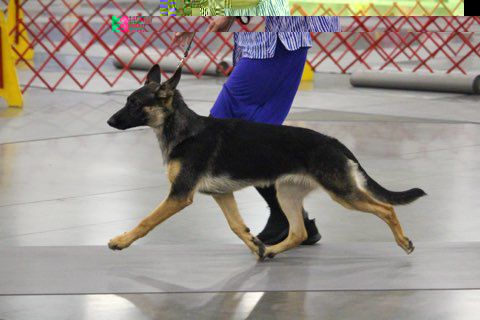
Shepherd Sight dogs are all checked for hip dysplasia and elbow dysplasia. They are not bred unless they pass these OFA certifications.
Here are links to what exactly the OFA certification means: https://ofa.org/diseases/hip-dysplasia/
https://ofa.org/diseases/elbow-dysplasia/
You can rest assured that if you have a Shepherd Sight puppy, everything has been done to prevent these genetic bone development conditions. (Any good breeder should be doing this same type of testing!) However, this is not an absolute guarantee of bone health. Even under the best of circumstances with the utmost care, sometimes these bone problems do crop up. That’s because German Shepherd bone development can also be affected by diet, exercise, environment, and hormones.
Diet was addressed in my last post.
Exercise and Environment:
Running is good! Muscles have to be developed in order to support good bone structure. Ligaments and tendons are strengthened with exercise. Many young German Shepherds will have what’s called “loose ligamentation.” This means they look “wobbly,” especially in the rear end. Their pasterns might be down a bit. They look kind of loosey-goosey! This almost always tightens up as they mature. But without good exercise, a puppy can develop poor articulation in joints that lead to problems as they age. Running on uneven surfaces is especially good because puppies learn to adapt and change their balance as they move.

However, if a puppy is too heavy, extra weight is hard on growth plates at joints, which can get damaged. A heavy puppy running down the stairs can really hurt front leg joints, particularly pasterns and elbows, despite precautions ethical breeders take to avoid genetic joint problems.
But even a puppy that is normal or lean weight can cause damage to bone development if they are consistently jumping down or running down steep or long flights of stairs. Limit this activity while still exposing your puppy to different surfaces and environments for best socialization.
The surface your puppy spends the most time on can very much affect his body structure and bone development. If your dog spends most of his time on a slick floor, his feet will start to splay out, and his pasterns will not be strong. Your puppy should spend time on different types of surfaces, especially grass and dirt.

Also, keep those toenails trimmed! If nails get too long, they push the toe in an upward arch, causing the puppy to rock back to keep from putting too much pressure on the toes. This causes lots of pain for older arthritic dogs, but don’t overlook how this can affect the development of the joints in the lower legs in puppies.
What if your German Shepherd puppy starts limping?
Panosteitis is a condition that affects the long bones of fast growing breeds, especially German Shepherds. It affects some bloodlines more than others, and males more than females, because they are usually bigger. It is a common cause of lameness, usually starting in a front leg and then shifting to other legs.
Shepherd Sight dogs ARE prone to panosteitis. So if you have a Shepherd Sight puppy and you notice limping, be sure to tell your vet that it is common in the bloodline. This might affect what testing is done. Thankfully, it is self limiting, meaning they will grow out of it. Here is a good link to learn all about “Pano”: https://www.bonevet.com.au/review-articles/panosteitis/#:~:text=Panosteitis%20is%20a%20relatively%20common,as%20old%20as%207%20years)
Obviously, panosteitis is not the only thing that can cause limping. And you want to be sure to take any limping dog to the vet to determine a diagnosis. But don’t be alarmed if this is the cause. The article does list other potential diagnoses.
Pano doesn’t cause long-term effects, but it is a condition that occurs during bone development.

Lordy, what else affects bone development?
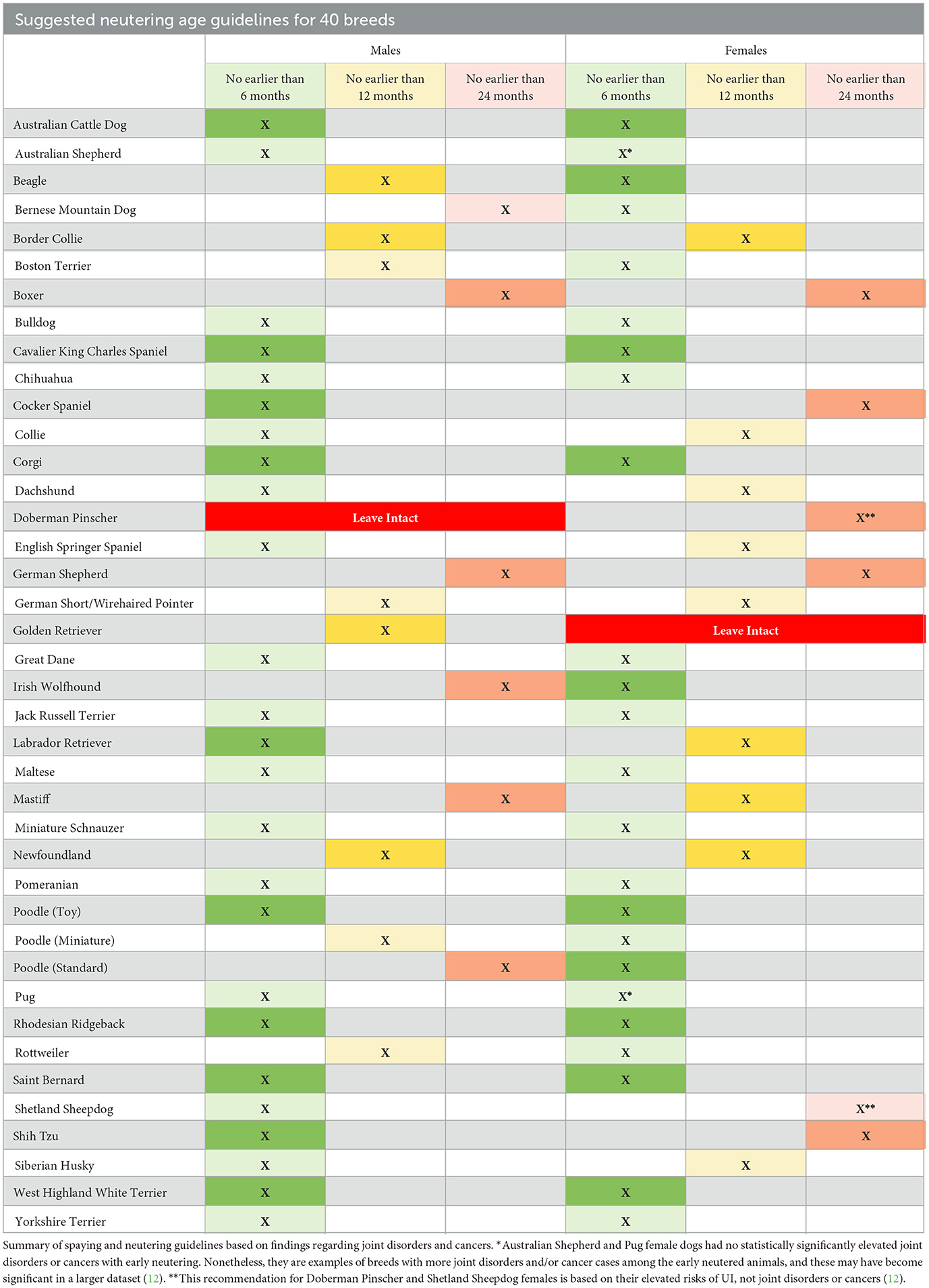
Hormones: Recent studies show that bone development of German Shepherds, in particular, is affected by hormones. Here is a link to the UC Davis study that determined that German Shepherds are the only breed that is recommended to remain intact until the age of two, in both genders: https://www.ucdavis.edu/health/news/when-should-you-neuter-or-spay-your-dog
And here is a link to the chart with the 40 breeds studied: https://www.frontiersin.org/files/Articles/1322276/fvets-11-1322276-HTML-r2/image_m/fvets-11-1322276-t001.jpg
If you have a GSD puppy and your vet recommends early neutering, ask why. Some vets lump all large breeds into one category and say 18 months, and some say 6 months for all dogs to prevent any likelihood of reproduction, while still others say to wait until a female has her first heat before spaying, which usually happens around 7 to 10 months in GSDs.
Vets have good reason not to trust pet owners when it comes to keeping opposite sex dogs apart. They have way too much experience with unwanted litters, strays, and euthanized pets because they are just too much trouble to keep.
Please let your vet know that you would like to keep your German Shepherd dog intact due to the reasons listed in the UC Davis study, IF you are a responsible dog owner who can carefully isolate females in heat, fully understand the duration of the cycle and the initial signs and when she is no longer fertile, and restrict intact males from finding females during this time.
My next post will be about managing intact male and female dogs.
 Shepherd Sight